- Home
- Custom Service
- Raw Material
NOCLON Silicone: Pioneering High-Quality Silicone Materials
At NOCLON Silicone, we’re not just manufacturers, we’re pioneers in the world of silicone materials. Our expertise spans decades, offering you the highest quality silicone compounds designed with precision, efficiency, and a commitment to innovation.
NOCLON Silicone offers superior silicone materials, including High Consistency Rubber (HCR) and Liquid Silicone Rubber (LSR). These materials are fundamentally made up of silicon-oxygen (Si-O) backbones, which give them their unique physical and chemical properties.
HCR, characterized by its high tear strength and hardness, is highly resistant to temperature, chemicals, and electricity, all thanks to the stability of its Si-O bonds at the molecular level.
Conversely, LSR’s low viscosity, making it perfect for injection molding, comes from shorter polymer chains and lower crosslinking density. Upon curing, LSR forms durable, flexible structures that share the same resistances as HCR.
Both materials, adaptable on a molecular level, can be tailored to meet specific needs, which makes them ideal for a wide range of applications.
the Unique Properties of Heat Cured Rubber
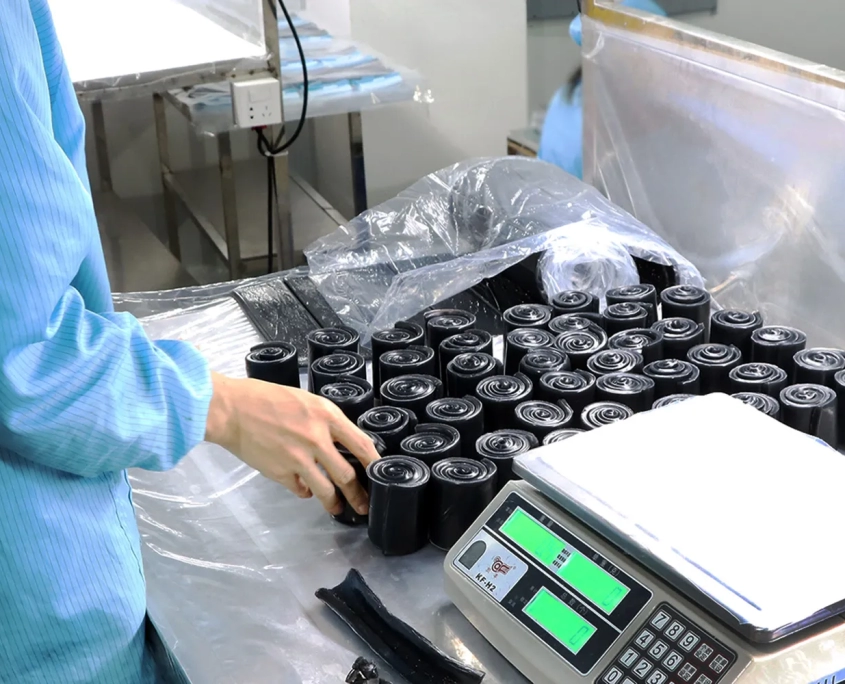
HCR (Heat Cured Rubber), also known as HTV (High-Temperature Vulcanizing), is a highly versatile elastomeric material that offers exceptional mechanical strength across a broad temperature range, electrical properties, chemical inertness, and customizable characteristics, as presented in the table below.
| Property | Description |
|---|---|
| Temperature Range | -50°C to +300°C, with some special grades reaching -120°C or above 300°C |
| Hardness (Shore A) | 30~80 |
| Mechanical Strength | 7~10 MPa |
| Elongation | 200~800 % |
| Tear Strength | 15~40 N/mm |
| Chemical Inertness | Yes, HCRs are chemically inert |
| Photo-Oxidative Stability | Yes, HCRs have photo-oxidative stability |
| Electrical Properties | Good, with options for electrically conductive grades |
| Fire Resistance | Yes, with low smoke emissions and non-corrosive and non-toxic combustion gases |
| Odorless and Tasteless | Yes |
| Hypoallergenic | Yes, with an inorganic backbone |
| Resistance to Bacteria and Mold | Yes |
| Biocompatibility | High |
| Ozone/UV Safe | Yes |
| UL Component Recognition | Yes |
| Special Additives | Various additives can be used for customization, including pigments for color options, metal particles for electrical applications, and internal mold releases for easier processing |
Consumer Applications: Durability and Environmental Resistance
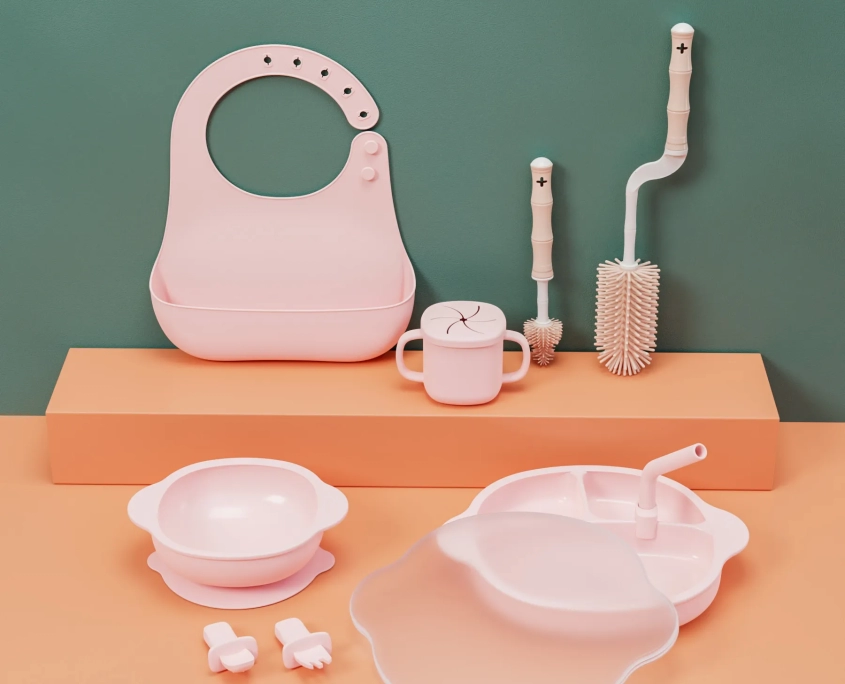
For consumers, high-consistency rubber (HCR) materials provide a multitude of advantages including durability, flexibility, and resistance to environmental conditions such as heat, cold, and UV radiation. The inherent elasticity of HCR materials allows for goods that can withstand significant physical stress, making them ideal for products such as footwear, household appliances, and sporting equipment. Furthermore, their resistance to environmental degradation enhances the longevity of consumer products, promoting sustainability and cost-effectiveness.
Industrial Applications: Thermal Stability and Chemical Resistance
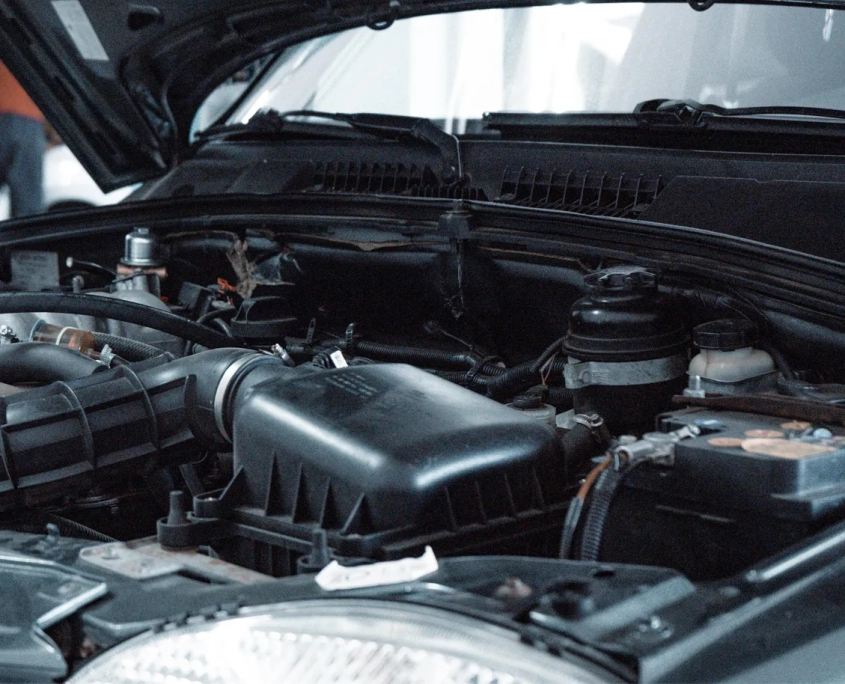
Industrial applications, particularly in the automotive and electronics sectors, benefit greatly from HCR materials due to their thermal stability, electrical insulating properties, and resistance to oils and chemicals. In automotive applications, these materials can be used in everything from gaskets and seals to hoses and belts, providing longevity and reliability under harsh operating conditions.
In the electronics industry, HCR materials are integral in insulating wires and cables, as well as forming components such as connectors and seals, providing safety and durability in high-demand environments.
Medical Applications: Biocompatibility and Sterilization
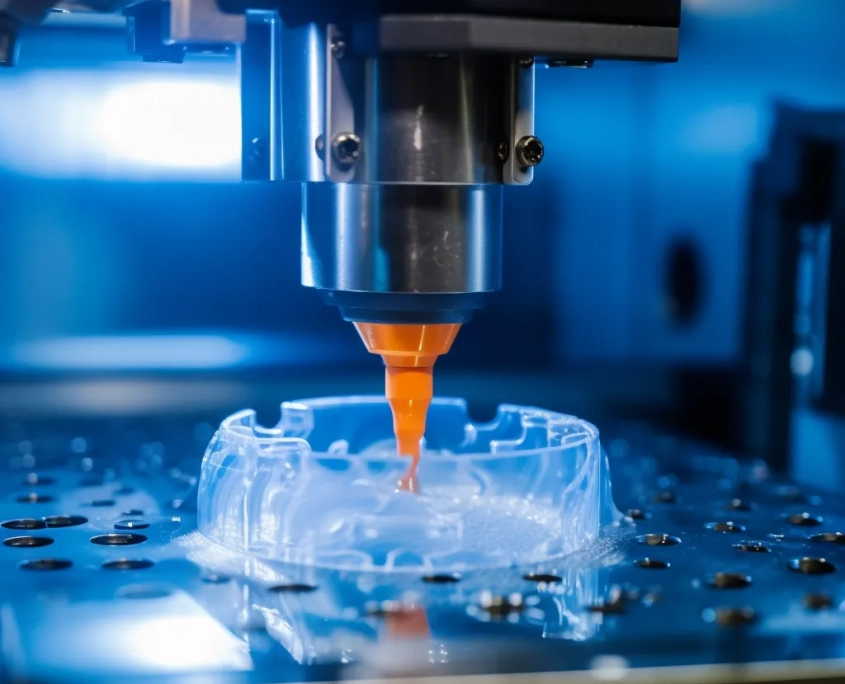
In the medical field, HCR materials prove invaluable due to their biocompatibility, sterilizability, and chemical resistance. Their ability to withstand autoclaving and other sterilization methods is crucial for maintaining hygiene standards in medical equipment.
HCR materials can be used in the creation of a wide range of medical products, from prosthetics and implants to catheters and tubing, due to their biocompatibility and non-reactive nature. Their chemical resistance also ensures they can withstand exposure to a wide range of pharmaceutical substances.
Unlocking Superiority: The Advantages of Our HCR Materials
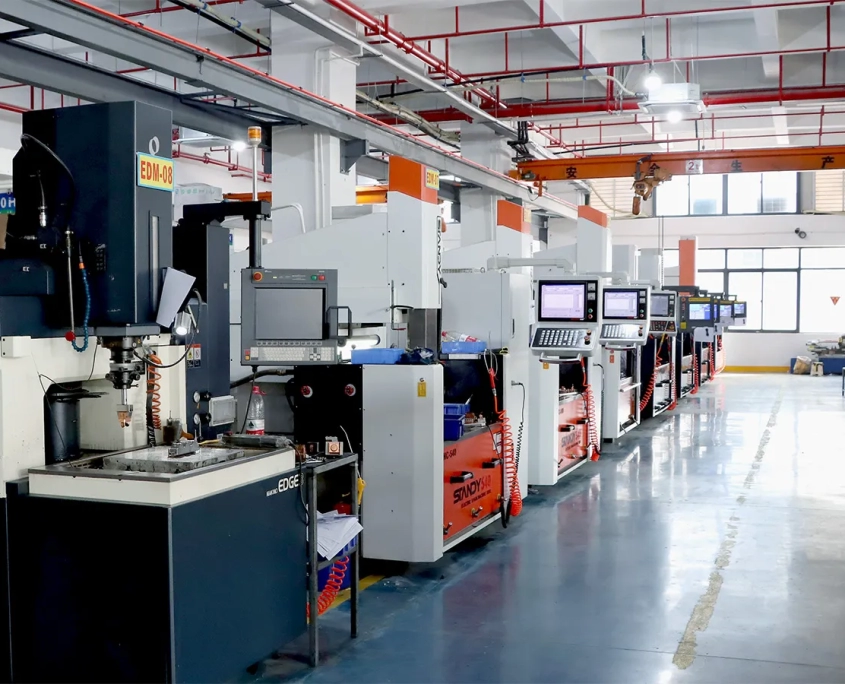
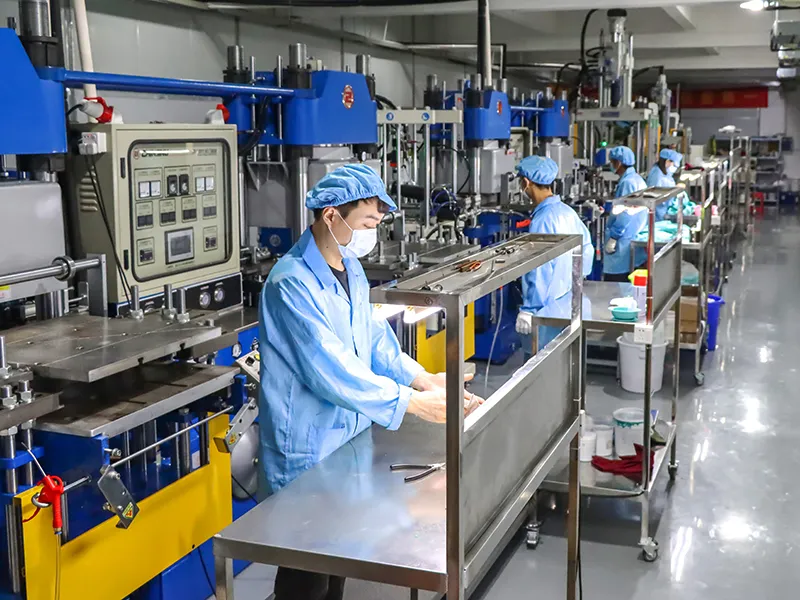
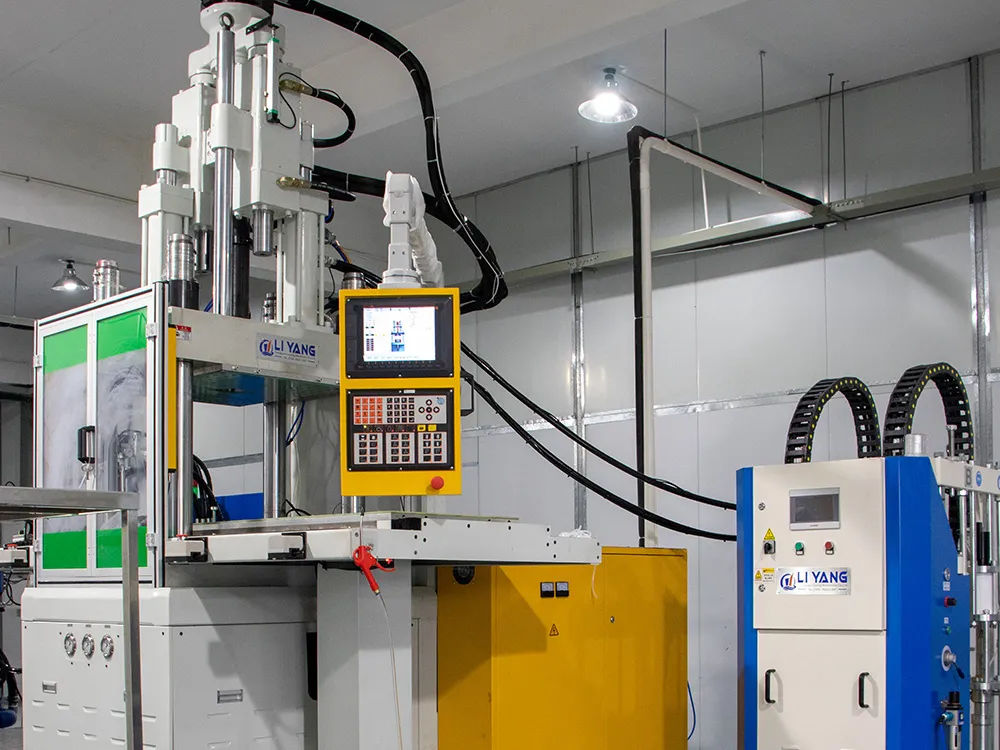
By combining the principles of automation and process integration, our HCR manufacturing method ensures seamless coordination between different production stages. This integration not only enhances consistency and reduces the potential for errors but also boosts overall operational efficiency.
The use of advanced automation technologies further accelerates production timelines, ensuring faster delivery without compromising the superior quality of our HCR materials.
Scalability
Our flexible manufacturing process allows for a high degree of customization, enabling us to tailor our HCR products to suit a wide range of specific applications across various industries.
Sustainability
Committed to environmental responsibility, we utilize sustainable practices in our manufacturing process, minimizing waste, reducing energy consumption, and investing in technologies to decrease our environmental footprint.
Reliable Supply
Our robust manufacturing process ensures a steady supply of HCR materials, giving our clients confidence in our ability to meet their demands consistently, even in times of increased demand or market fluctuations.
Contact Us
Detailed Insight: The HCR Production Process
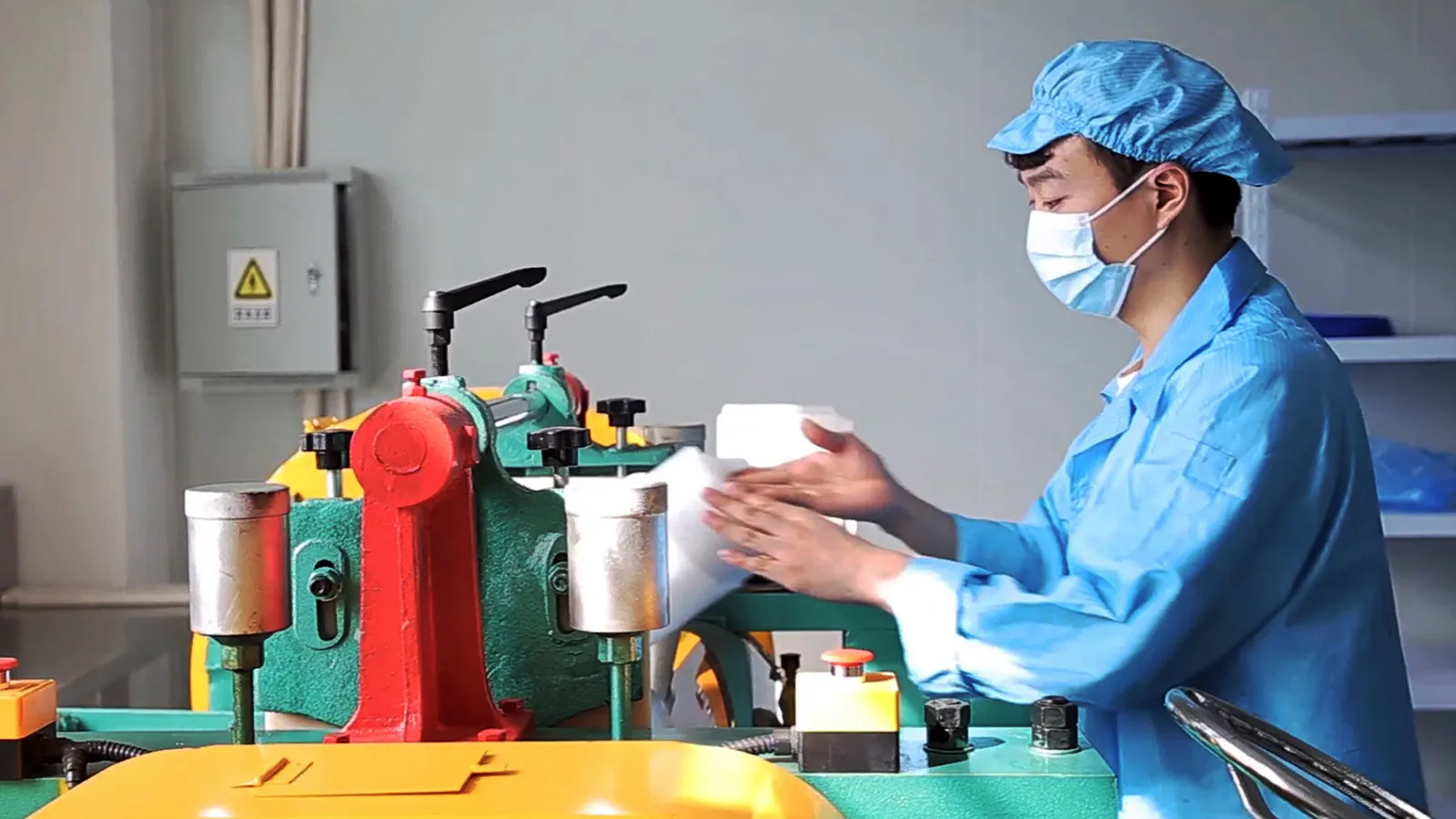
The synthesis of High Consistency Rubber (HCR) is a meticulously controlled process that begins with blending polymethyl siloxane, a type of silicone rubber, with various vulcanizing agents and fillers. These components are blended in specific proportions to achieve the final product’s desired physical and chemical properties. This blending process takes place in a controlled environment to ensure homogeneity.
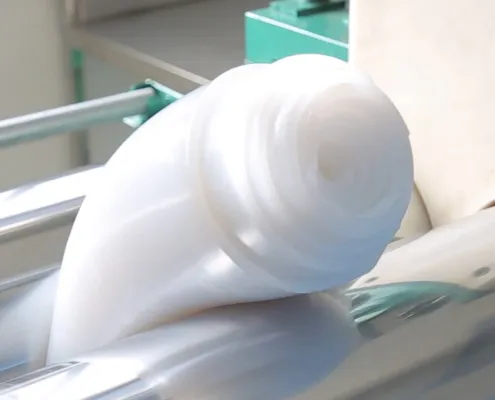
The mixed compound then undergoes a process known as milling, which refines the mixture’s consistency and eliminates entrapped air, ensuring the integrity and uniformity of the material. The critical phase of vulcanization or curing follows, wherein the material is subjected to heat and pressure, causing cross-linking of the polymer chains, which gives the material its characteristic elasticity and resilience.
The result is a high-consistency rubber that exhibits superior durability, resistance to environmental stressors, and versatility for many applications. The entire process is closely monitored and controlled to meet stringent quality standards.
In contrast to most Liquid Silicone Rubber (LSR) and Room-Temperature-Vulcanizing (RTV) materials that can be found readily in a pre-compounded system, HCR elastomers are generally formulated outside of the main polymer suppliers and need to be mixed together with other ingredients to create a usable seal and gasket material.
The primary ingredient in the formula for Silicone Elastomers is the polymer. Various base materials are used, which means that a lot of compounding has gone into these materials before they ever meet a custom mixer. These polymers come in a range of product lines covering a wide range of material hardness. The primary type to be used is a Vinyl Methyl Silicone, or VMQ, material, which is a Silicone Elastomer that has been modified to have vinyl groups on the polymer backbone. This modification allows for additional crosslinking and enables the silicone to be easily cured as it adds double bond sites to the material.
Fillers are the next major component of an HCR material. Similar to organic rubber, the purpose of these fillers is to add tensile and tear strength to the elastomer, as well as to raise the hardness of the material. Fume-treated silica is typically used because it has a tiny particle size, and treating the silica in this way helps it to better disperse in the elastomer.
A heat stabilizer is an ingredient that helps to protect the polymer backbone from being weakened by heat. These are usually some form of a metal oxide, such as Magnesium Oxide. Many seal materials for silicone are colored either a red or a brown shade because these use the Red Iron Oxide pigment.
When it comes to curing HCR material, peroxide is typically the curing agent of choice. The peroxide bond gets cleaved apart as the energy created from the polymer’s exposure to high temperatures creates crosslinks. This process attacks the vinyl double bonds and incorporates the peroxide so none is left behind.
Pigments are also part of the HCR formula. The most common pigment is the Red Iron Oxide pigment, but just about any standard color option is available and can also be blended together to create custom colors.