- Home
- Custom Service
- Production Tooling
Production tool manufacturing
Production Tooling In Silicone Manufacturing
Production tooling manufacturing is the process of designing and creating precise, durable molds and equipment used in silicone injection molding. This critical step ensures accurate replication, efficiency, and consistency in producing high-quality silicone components.
Production tooling enables the realization of complex designs and supports large-scale production with minimal waste. Production tooling for silicone products demands premium materials, advanced mold flow analysis, precise designs, and expert machining to ensure tools last millions of cycles without degrading. This level of quality requires expertise and meticulous attention to detail.
Free Production Tooling Quotation
Our Process
Our manufacturing process ensures high-quality silicone product tools through a clear, efficient workflow.
- First, we collaborate on design, considering product specifications and material flow.
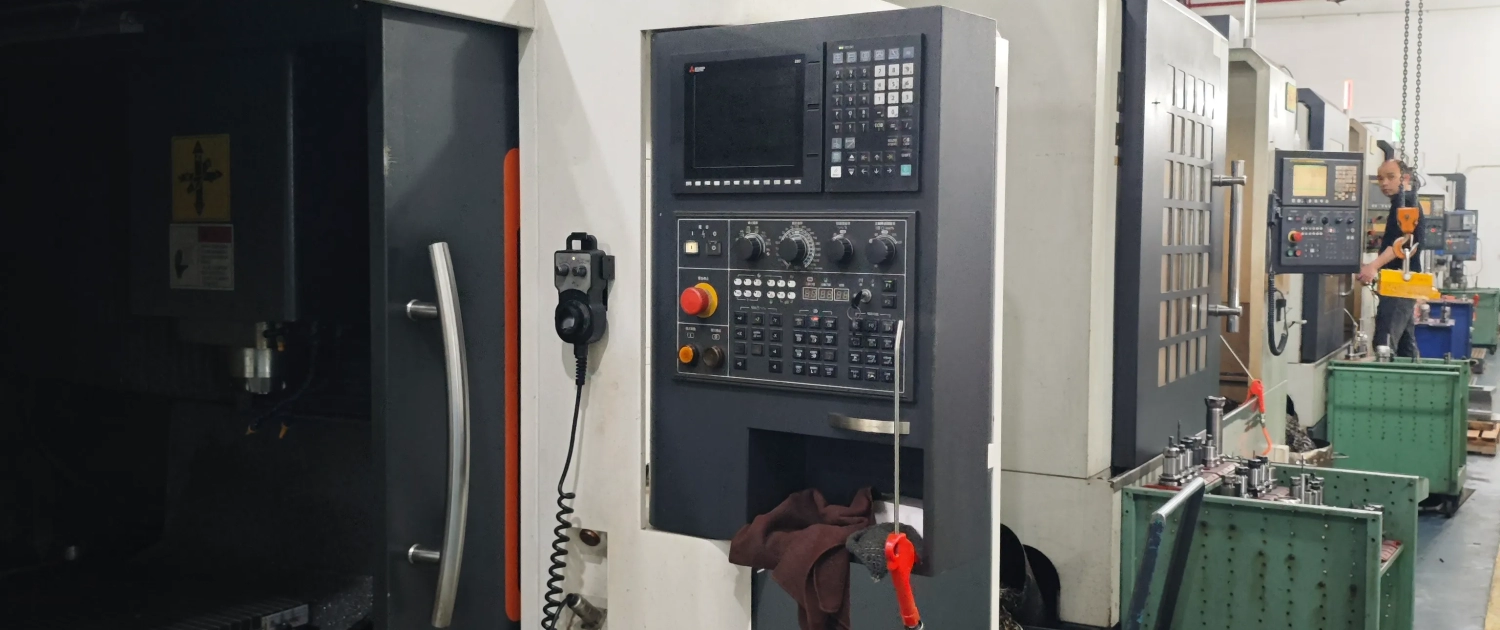
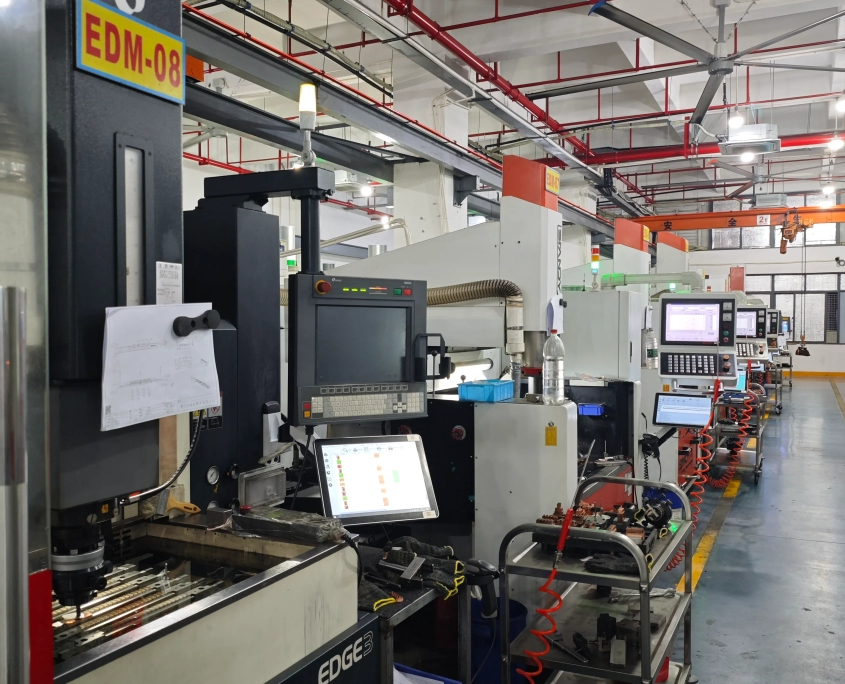
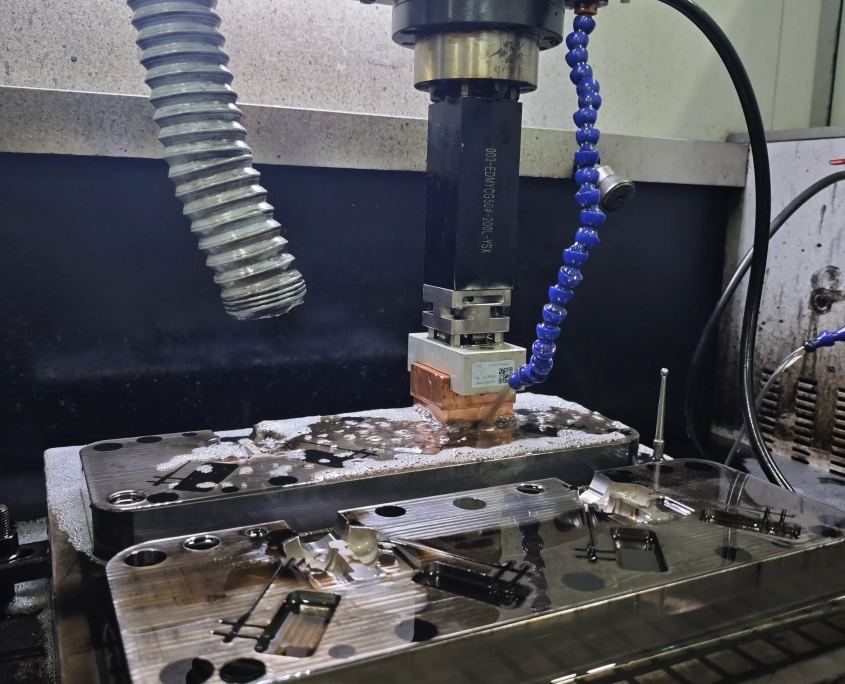
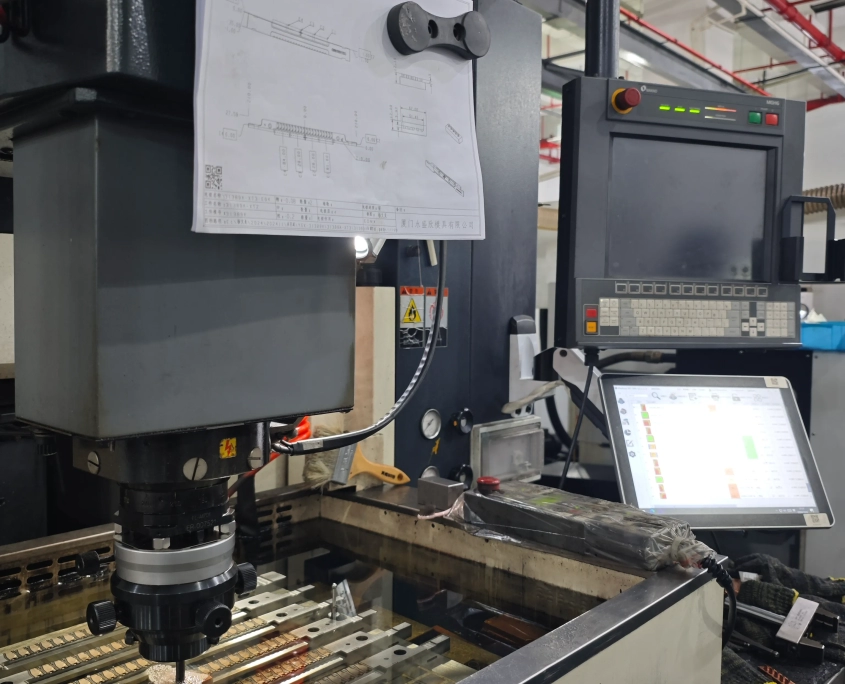
- Next, advanced machining techniques like CNC and EDM are used to craft precise molds. Surface finishing is applied for the desired texture and seamless demolding.
- We integrate temperature control and ventilation systems for consistent performance.
- After initial production trials, we refine the tool to meet exacting standards.
- Rigorous testing and adjustments ensure optimal functionality, delivering tools ready to enhance your production with precision and reliability.
Why Choose HENGTONGRUIKE SILICONE
Our team is composed of experienced product designers, engineers, and manufacturing specialists who are dedicated to delivering superior workmanship. We share your commitment to excellence and work closely with you to achieve your product development goals.
Reliable International Communication
With an experienced team of multilingual sales engineers and global project managers, your product requirements are efficiently conveyed and accurately implemented, reducing costly misunderstandings and ensuring production tools match your exact needs.
Professional Engineering Expertise
HENGTONGRUIKE SILICONE’s background in serving Fortune 500 companies and tackling complex automotive, aerospace, and medical projects gives you confidence that our engineering and tooling processes deliver precise, high-
Verified Material Quality
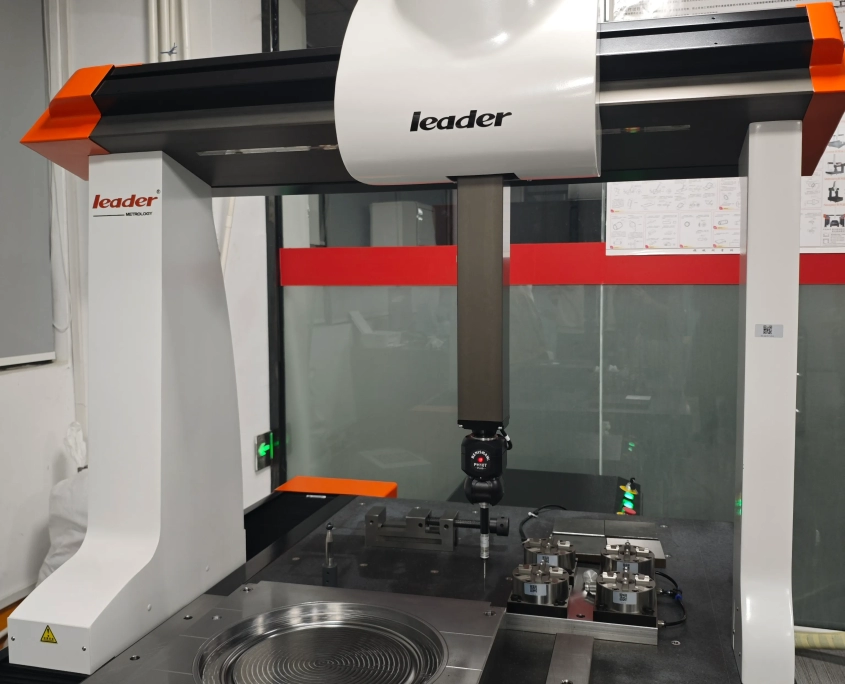
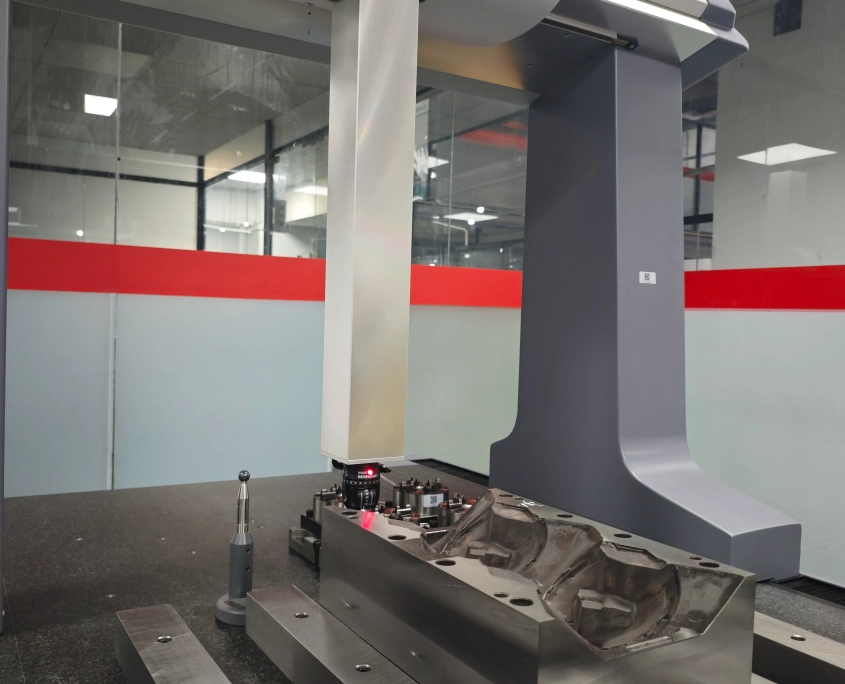
Advanced scientific testing ensures that every material meets the required standards. This provides you with full traceability of your production tool materials, enabling you to satisfy critical industry certifications and product licensing requirements.
Comprehensive, In-House Capabilities
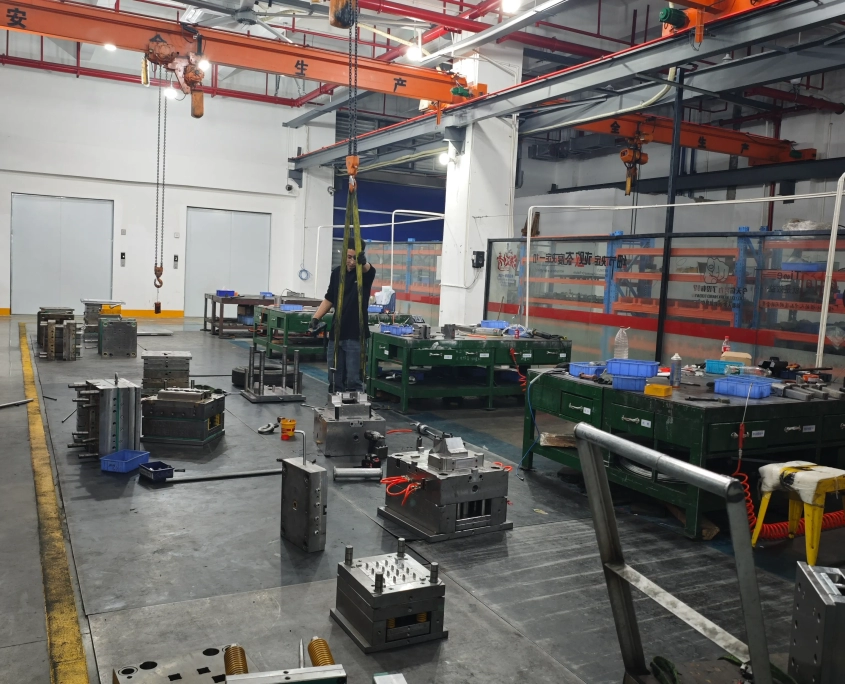
By offering a range of complementary services—CNC machining, EDM, finishing, light assembly, and more—NOCLON SILICONE streamlines your supply chain. This integrated approach reduces lead times, simplifies logistics, and ultimately helps you bring quality products to market faster.
FAQS
This FAQ answers common questions about the manufacturing of production tools for silicone products, covering topics such as design, materials, quality control, and timelines.
Do you have your own factory? Or is it just a trading company?
We are a silicone manufacturing company with our own manufacturing base. We also have a trading department.
Do your factories have certificates?
Yes, our factory’s certifications include but are not limited to ISO:9001, ISO:13485, FDA, SEDEX, BSCI, etc. Our product certifications and audit reports include UL, CPC, CE, LFGB, FDA, COC, etc.
What kind of silicone products does your factory make?
Consumer silicone products, industrial (electronic/automotive) silicone parts, and medical silicone products. In fact, our customers come from various industries.
Where is your factory?
Our corporate headquarters is located in Hanzhou, China, and our factory is also located there. It is a beautiful city. We are here to serve our customers from all over the world.
Which manufacturing process does your factory use? Does it support injection molding?
Yes, we support injection molding, we are equipped with large automatic injection molding machines to meet customers’ needs. In addition, we are also able to support compression molding (transfer molding), extrusion molding, and over-molding.
What is the capacity of your factory?
The average capacity of the factory is 500k-1000k per month. Capacity will vary depending on the size and complexity of the product.
What is the raw material of your silicone? What is the quality?
The high-quality silicone materials we offer can be divided into liquid silicone and solid silicone.
We can also add vulcanizing agents (platinum) to change the properties of the material (Shore hardness) according to the different needs of our customers.
What is the best way to get started with your silicone production tool project?
The first step is to send us your part design and any relevant specifications. From there, we will work with you to finalize the tool design, material selection, and production schedule. If you’re unsure about any part of the process, our team is happy to guide you through the planning phase.
Tool material
We offer a wide range of hardened and semi-hardened tool steels. Among them, P20, NAK80, H13, and S136 are commonly used steels for silicone molding tools, each with distinct properties:
P20: Versatile, good toughness, used for general molds.
NAK80: High hardness, excellent finish quality, suitable for precision molds.
H13: Tough, heat-resistant steel, ideal for high-temperature applications.
S136: Corrosion-resistant, high hardness, often used for molds requiring durability and smooth finishes.
Which one is right for you?
Tool material selection on production volume, surface finish, product size and hardness, and structural complexity.
For low-volume production, materials like aluminum or soft steel are cost-effective but wear out quickly.
High-volume production requires hardened steels or alloys for durability and precision.
For high surface finish, high-precision steels are preferred. Larger or harder silicone products need stronger materials, and complex molds with intricate features require high-strength tool steels to ensure precision and longevity.
CNC Machining
We use CNC technology to create high-precision production tools. Our CNC capabilities include milling, turning, and EDM (Electrical Discharge Machining), ensuring tight tolerances and intricate features. Whether it’s for mold cavities, cores, or specialized tooling, our diverse CNC technologies guarantee reliable, high-quality results for your silicone products.
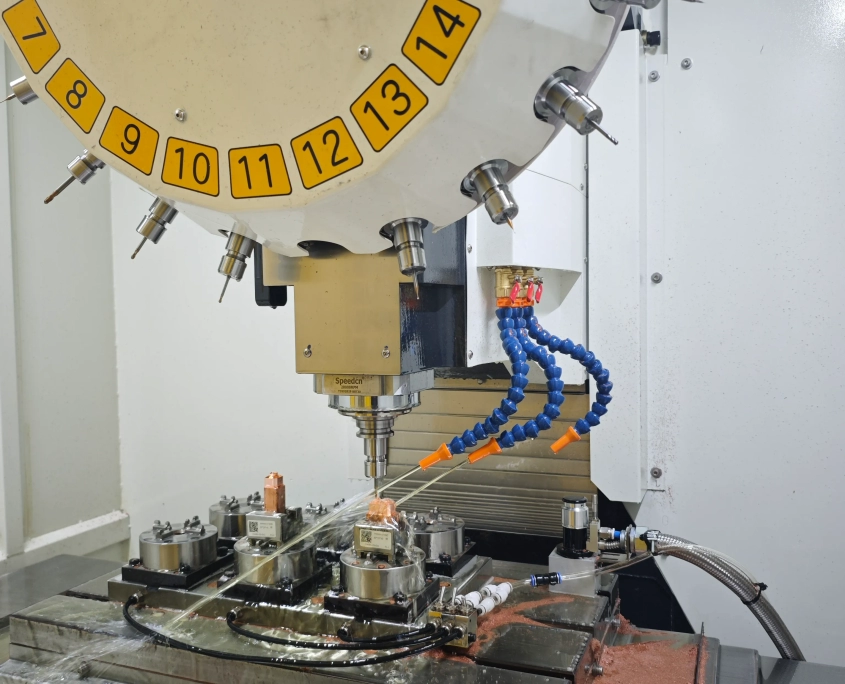
CNC Milling
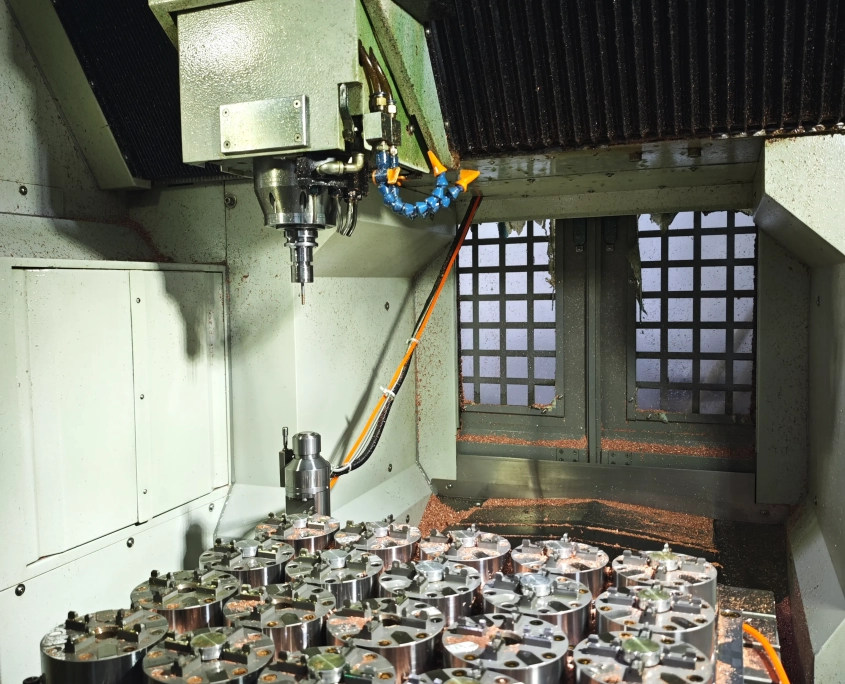
CNC milling removes material using rotating tools to shape the workpiece. It’s ideal for creating complex, flat, or contoured surfaces and precise mold cavities. This process is versatile for both high-precision and large-volume production of silicone injection molds.
CNC Turning
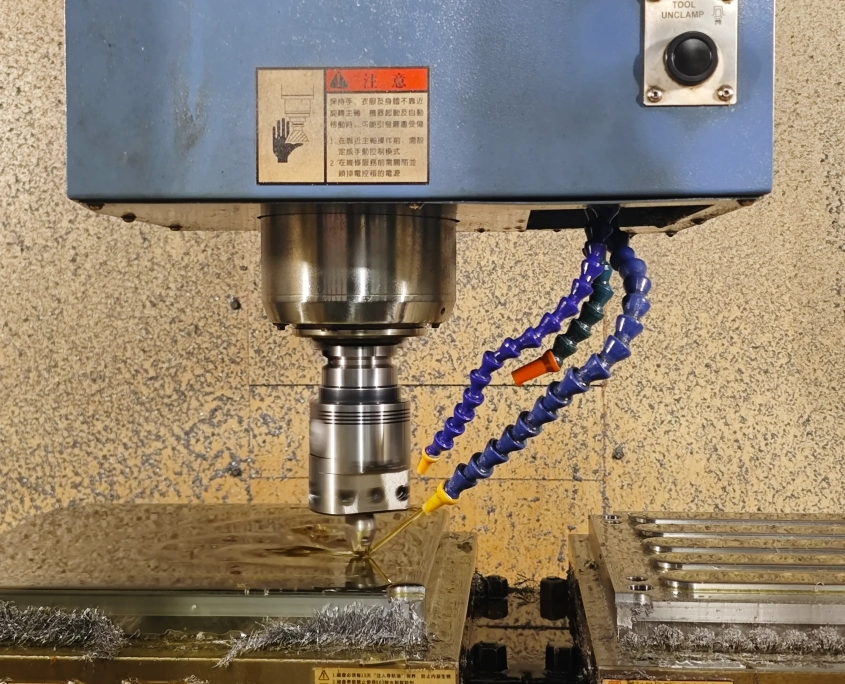
CNC turning rotates the workpiece while a stationary cutting tool shapes it. This process is specifically suited for producing cylindrical or round parts, such as mold cores and inserts, ensuring high precision in features like diameters and lengths for silicone molding applications.
EDM
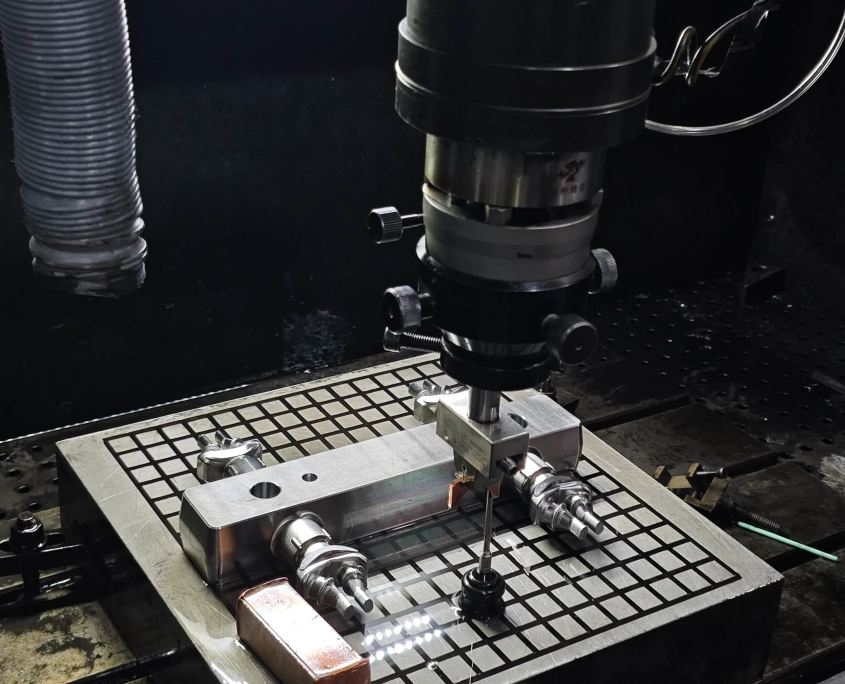
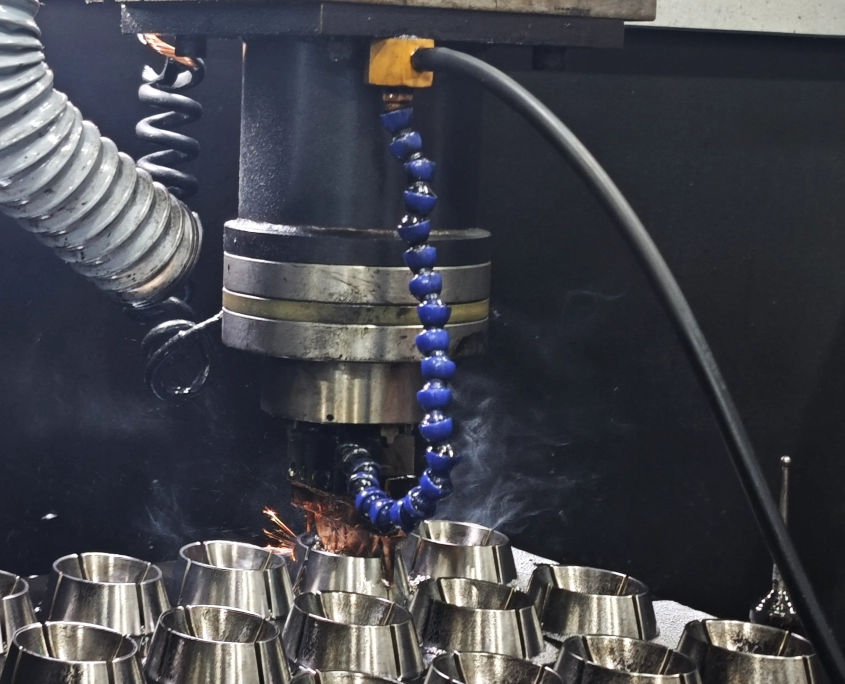
EDM uses electrical sparks to erode material, making it perfect for intricate, hard-to-machine features. This process is used to create fine details, deep cavities, and complex shapes, such as narrow grooves or sharp corners, in silicone molds that cannot be easily achieved with conventional machining.
Investment Advice
The investment cost and production efficiency of CNC milling, CNC turning, and EDM processes depend on the size, complexity, and material of the product. CNC milling and turning are generally more cost-effective for simpler, high-volume parts, with faster production times.
EDM, while more precise, requires a higher investment due to longer processing times and specialized equipment. The choice of material also affects costs—harder materials require more time and wear on tooling.
For accurate cost assessments and efficiency analysis, we recommend consulting with our engineers to evaluate the specific requirements of your product.
Rapid Tooling
Our rapid tooling service accelerates the creation of injection molds and parts, delivering high-quality results in a fraction of the time compared to traditional methods.
At NOCLON SILICONE, a dedicated machinist oversees your project from start to finish, ensuring precision and efficiency. By optimizing design, fabrication, and material selection, we reduce production time and costs. Using standard mold bases and P20 tool steel, we can produce molds in as little as 10 days.
This service is ideal for prototypes, product testing, and bridge production, allowing clients to test designs and limit financial risk before scaling to full production.
What is the difference with mass production tools?
Rapid tooling offers fast production with lower costs, but it has limitations in part complexity and material selection compared to mass production tooling. Key considerations include the simplified development process, which reduces lead time but may not accommodate highly intricate designs.
While mass production tooling is built for high volumes and can handle more intricate designs and materials, rapid tooling focuses on quicker lead times and cost efficiency, often used for prototypes or low-volume runs.
Despite this, we ensure the same high-quality standards through advanced equipment and testing, including positive material identification for full compliance. Additionally, we offer design-for-manufacturing (DFM) support and intelligent pricing with no minimum order requirements, providing value and efficiency for every project.
Tool design
When designing production tools, the key is to create a design that maximizes efficiency, precision, and durability. A good tool must allow for smooth, quick, and consistent production, while keeping the part’s dimensions stable over time.
The design should also minimize wear and tear, ensuring the tool can handle long production runs without losing performance. Essential factors like ease of maintenance, heat management, and material selection play a big role in achieving these goals.
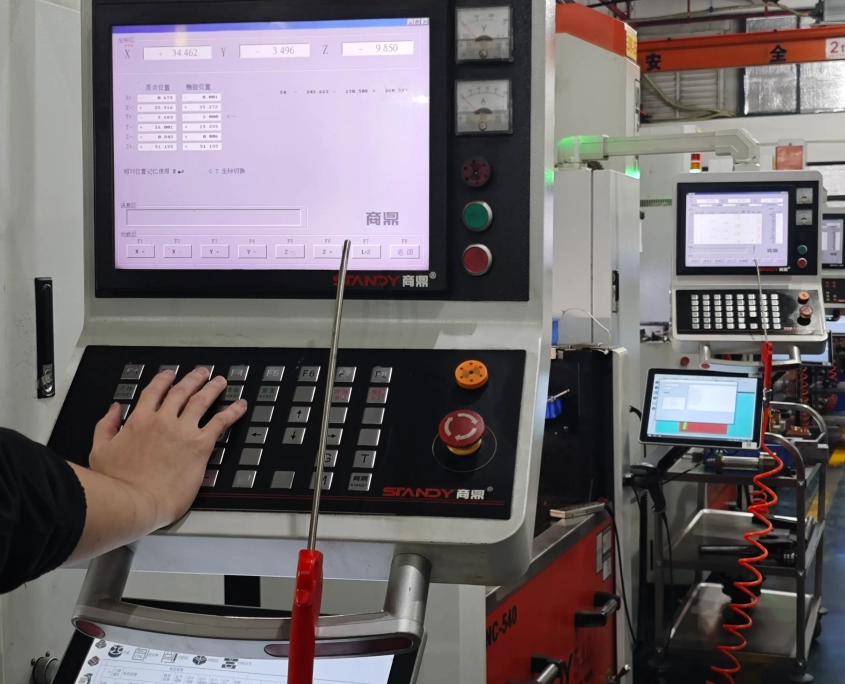
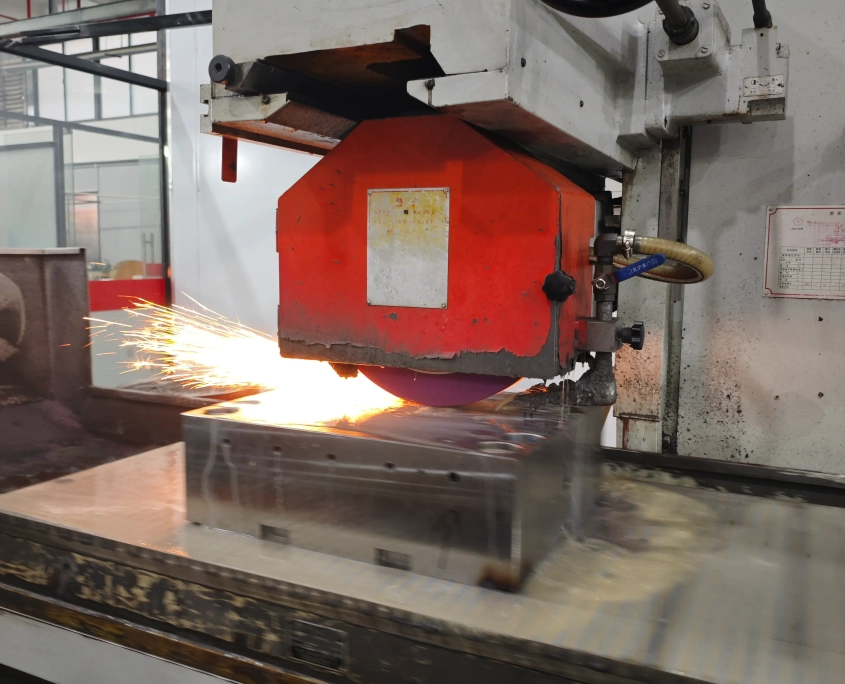
To achieve this, we focus on creating precise, balanced designs. We carefully plan cooling channels to ensure even heat distribution and prevent thermal stress. We also select high-quality materials that can endure long production cycles.
Additionally, we test each tool rigorously to make sure it meets the required tolerances before it’s used in actual production. This attention to detail ensures that our tools not only produce high-quality parts but also perform consistently over time.
Toolmaking Tolerances
In the silicone industry, toolmaking tolerances vary depending on the specific application and manufacturing process. Below is a summary of typical tolerance guidelines:
| Dimension Type | Tolerance Range | Notes |
|---|---|---|
| Linear Dimensions | ±0.05 mm to ±0.2 mm | Depending on the size and complexity of the mold design. |
| Wall Thickness | ±0.1 mm to ±0.2 mm | Commonly applied for consistent silicone product thickness. |
| Hole Diameter | ±0.05 mm to ±0.1 mm | Ensures precision for functional or assembly-related holes. |
| Shrinkage Allowance | 1% to 3% | Compensation for silicone shrinkage during curing, adjusted based on material properties. |
| Surface Finish | Ra 0.8 μm or better | Depending on the functional or aesthetic requirements of the final product. |
Additional Notes:
- Standard Tolerances: NOCLON SILICONE typically adheres to DIN 2768-1-fine for toolmaking, ensuring high precision and reliability.
- Customization: For specialized applications, we provide tailored solutions to meet unique specifications.
Our precision toolmaking process ensures that every mold meets the exacting requirements of the silicone industry. For more details or customized tolerances, contact NOCLON SILICONE today.