What Is Silicone Post-Curing?
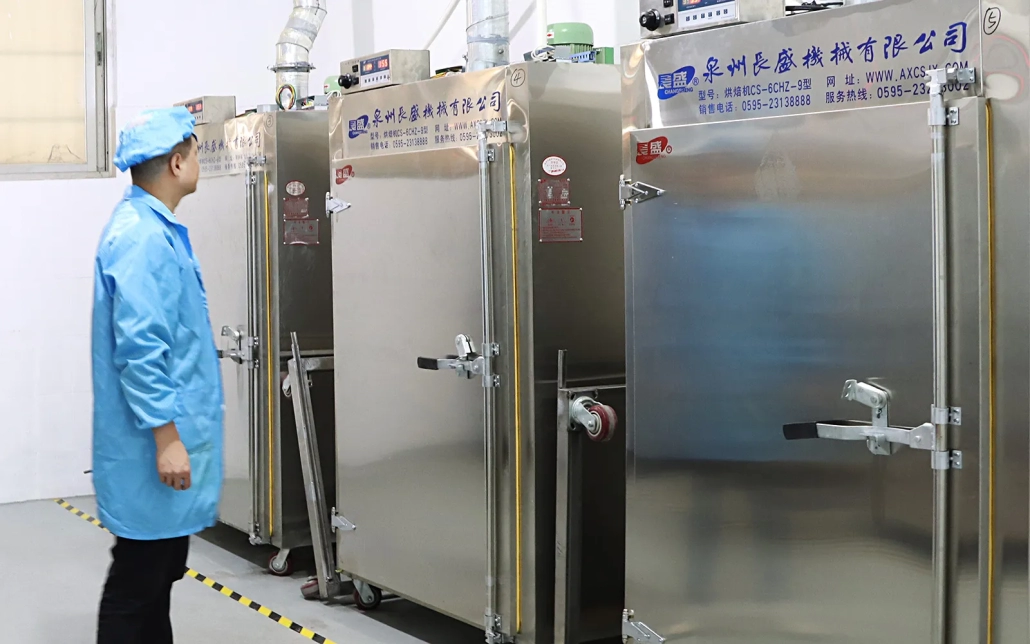
Silicone post-curing is a secondary curing process performed after the initial molding process. During molding, silicone is shaped and cured under heat and pressure. After demolding, some products may go through an additional heating process to further stabilize the material.
The purpose of post-curing is usually to:
- Reduce volatile residues
- Improve odor control
- Support material stability
- Improve heat aging performance
- Support food-contact or body-contact applications
- Help products meet stricter buyer or market requirements
Post-curing does not change the basic design of the product. Instead, it helps improve the final material condition after molding.
For buyers, the key point is simple: post-curing is not always required, but it should be discussed when the product has higher safety, odor, hygiene, or performance expectations.
Why Post-Curing Matters in Silicone Manufacturing
Silicone is widely used because it is flexible, heat-resistant, durable, and suitable for many consumer, medical, industrial, and food-contact applications. However, not all silicone products have the same requirements.
A silicone promotional item, a baby teether, a kitchen spatula, and a medical silicone component may all use silicone, but the production expectations can be very different.
Post-curing matters because it can help improve the product in several important areas.
1. Post-Curing Helps Reduce Volatile Residues
After silicone molding, small amounts of volatile substances may remain in the material depending on the silicone type, curing system, formulation, product thickness, and molding conditions.
Post-curing helps reduce these residues through additional heat treatment.
This is especially important for products such as:
- Baby care silicone products
- Silicone kitchenware
- Food-contact silicone parts
- Personal care products
- Medical silicone components
- Products used in enclosed packaging
- Products with higher odor sensitivity
For buyers, this is one reason why post-curing may be recommended when the product will contact food, skin, mouth, or body areas.
2. Post-Curing Can Improve Odor Control
Odor is one of the most common concerns for silicone products, especially in consumer markets.
Some buyers may assume that any odor means the material is unsafe. This is not always correct. Silicone odor can be affected by raw material, curing system, color masterbatch, additives, production environment, storage, packaging, and post-treatment.
Post-curing can help reduce certain odors related to residual volatiles, but it cannot solve every odor problem by itself.
For better odor control, manufacturers should also review:
- Silicone raw material quality
- Color masterbatch compatibility
- Curing system
- Production cleanliness
- Product thickness
- Post-curing conditions
- Packaging method
- Storage and ventilation before shipment
For products sold in baby, kitchen, personal care, and wellness markets, odor control should be discussed before mass production.
3. Post-Curing Supports Food-Contact and Skin-Contact Applications
For food-contact and skin-contact silicone products, buyers often care about material safety, odor, surface cleanliness, migration testing, and long-term user experience.
Post-curing may be recommended for:
- Silicone baby teethers
- Silicone pacifier-related parts
- Silicone feeding products
- Silicone kitchen tools
- Silicone baking molds
- Silicone bottle parts
- Personal care silicone products
- Wearable silicone parts
- Beauty and skincare tools
Post-curing alone does not guarantee compliance with FDA, LFGB, REACH, or other market requirements. However, it can be part of a controlled manufacturing process for products that need better material stability and lower volatile residue.
Buyers should always confirm testing requirements based on the target market.
4. Post-Curing Can Help Improve Material Stability
Post-curing may also support better material stability after molding.
For some silicone products, especially thicker parts or technical components, additional curing can help the material reach a more stable condition.
This can be relevant for:
- Thick silicone parts
- High-temperature silicone components
- Industrial silicone seals
- Medical silicone parts
- Silicone parts used under compression
- Silicone parts requiring consistent mechanical performance
The actual effect depends on the material formulation, part design, and curing conditions. For technical projects, post-curing should be evaluated together with the material supplier and molding engineer.
5. Post-Curing May Be Required by Buyer Specifications
Some buyers include post-curing requirements in their product specification, especially for medical, food-contact, baby care, personal care, or industrial applications.
A buyer specification may include requirements such as:
- Material grade
- Hardness
- Color
- Post-curing process
- Odor standard
- Volatile control
- Testing requirement
- Packaging requirement
- Traceability requirement
If post-curing is part of the buyer’s standard, it should be clearly stated during the RFQ stage. This allows the manufacturer to evaluate cost, lead time, production planning, and testing requirements correctly.
Which Silicone Products Usually Need Post-Curing?
Not every silicone product requires post-curing. The decision depends on product use, material, design, safety requirements, and target market.
The table below gives a general reference.
| Product Type | Is Post-Curing Usually Needed? | Reason |
|---|---|---|
| Baby silicone products | Often recommended | Mouth contact, odor control, safety expectations |
| Food-contact silicone products | Often recommended | Food-contact requirements and volatile reduction |
| Medical silicone components | Often required or recommended | Higher hygiene, safety, and performance requirements |
| Personal care silicone products | Often recommended | Skin or body contact |
| Thick silicone parts | May be needed | Helps improve internal curing stability |
| High-temperature industrial parts | May be needed | Supports performance under demanding use |
| General silicone promotional items | Not always needed | Usually lower performance requirements |
| Pet silicone products | Depends on application | Feeding products may need higher safety control |
| Silicone seals and gaskets | Depends on use | Technical performance requirements vary |
| Low-cost general consumer products | Not always needed | Cost and use may not justify extra process |
For custom silicone products, the safest approach is to evaluate post-curing during product development rather than after mass production.
Post-Curing vs. Normal Curing
Many buyers confuse normal curing and post-curing. They are related but not the same.
| Item | Normal Curing | Post-Curing |
|---|---|---|
| Timing | During molding | After molding |
| Main Purpose | Shape and cure the silicone into the final product form | Further stabilize material and reduce residues |
| Equipment | Mold and molding machine | Oven or post-curing system |
| Required for All Products? | Yes, molding requires curing | No, depends on product requirement |
| Affects Product Shape? | Yes, the product is formed during this stage | Usually no major shape change |
| Common Purpose | Forming, curing, production efficiency | Odor control, volatile reduction, stability improvement |
| Buyer Should Specify? | Usually part of the manufacturing process | Yes, if required by application or standard |
Normal curing makes the silicone product. Post-curing improves the final material condition when needed.
Factors That Affect Whether Post-Curing Is Needed
Several factors can influence the decision.
1. Product Application
Products used for food, baby care, medical, skin-contact, or body-contact applications usually have higher requirements than general silicone items.
2. Material Type
Different silicone materials and curing systems may have different post-curing recommendations. The material supplier’s technical data should be considered.
3. Product Thickness
Thicker silicone parts may need more attention because internal curing and volatile release can be different from thin parts.
4. Target Market
Products sold in the US, EU, UK, Japan, Australia, or other regulated markets may need different testing and documentation.
5. Odor Requirement
If the buyer has strict odor requirements, post-curing may be part of the solution.
6. Packaging Method
Products sealed immediately after production may retain more odor if post-treatment and ventilation are not properly managed.
7. Testing Requirement
If the product needs third-party testing, the manufacturer should confirm whether post-curing is needed before sending samples for testing.
Common Misunderstandings About Silicone Post-Curing
Misunderstanding 1: All Silicone Products Must Be Post-Cured
Not true. Many general silicone products can be produced without post-curing if the material, process, and application do not require it.
Misunderstanding 2: Post-Curing Can Fix Poor Material Quality
Post-curing cannot turn poor material into high-quality material. Raw material selection is still the foundation of product safety and performance.
Misunderstanding 3: Post-Curing Automatically Makes a Product Food-Grade
Not true. Food-grade suitability depends on material, formulation, colorants, production control, and testing results. Post-curing may support the process, but it does not replace compliance testing.
Misunderstanding 4: Post-Curing Removes All Odor
Post-curing can reduce certain odor sources, but odor may also come from packaging, color masterbatch, storage, contamination, or other factors.
Misunderstanding 5: Post-Curing Has No Effect on Cost or Lead Time
Post-curing adds processing time, energy use, handling, and production planning. It may affect both cost and lead time.
What Buyers Should Confirm Before Production
Before starting a custom silicone project, buyers should confirm whether post-curing is needed. This is especially important before mold development and sample approval.
Buyer Checklist
| Item | What to Confirm |
|---|---|
| Product application | Food-contact, baby care, medical, personal care, industrial, etc. |
| Target market | US, EU, UK, Japan, Australia, or other regions |
| Material requirement | Food-grade, medical-grade, high-temperature, transparent, etc. |
| Hardness | Shore A requirement |
| Color | Natural, transparent, Pantone color, or custom color |
| Odor requirement | Standard requirement or strict buyer-specific requirement |
| Product thickness | Thin wall, thick wall, solid part, hollow part |
| Testing requirement | FDA, LFGB, REACH, biocompatibility, or other tests |
| Packaging method | Bulk packaging, sealed bag, retail box, individual packaging |
| Post-curing requirement | Required, recommended, or not needed |
| Documentation | Material data, batch records, test reports, QC records |
A clear specification helps the manufacturer quote accurately and avoid changes after sampling.
How Post-Curing Affects Cost and Lead Time
Post-curing is an additional production step, so it may affect project cost and delivery schedule.
The cost impact depends on:
- Product size
- Product quantity
- Material type
- Post-curing time
- Oven capacity
- Packaging requirements
- Testing requirements
- Additional handling and inspection needs
For small trial orders, post-curing may increase unit cost more noticeably. For larger mass production orders, the cost impact can be planned more efficiently.
Buyers should confirm post-curing requirements during the quotation stage, not after mass production starts.
Post-Curing and Third-Party Testing
If a product needs third-party testing, post-curing should be completed before the test samples are submitted.
This is important because the tested sample should represent the final production condition.
For example, if a food-contact silicone product will be post-cured during mass production, then the test samples should also be post-cured before testing.
Buyers should confirm:
- Which standard needs to be tested
- Which market the product is for
- Whether color samples need separate testing
- Whether post-cured samples are required
- Whether packaging affects the final test condition
- Whether retesting is needed after material or color changes
This helps avoid unnecessary testing delays and additional costs.
Post-Curing for Different Silicone Product Categories
Baby Care Silicone Products
Baby products often have higher requirements because they may contact the mouth, skin, or food. Post-curing may help improve odor control and reduce volatile residues.
Examples include:
- Silicone teethers
- Feeding spoons
- Baby bibs
- Silicone bowls
- Pacifier-related components
- Bottle accessories
For baby products, buyers should also confirm material safety, colorant safety, product structure, choking hazard risk, packaging, and market testing requirements.
Kitchen and Food-Contact Silicone Products
Kitchen silicone products may contact food directly or be used under heat. Post-curing is often considered for products such as:
- Baking molds
- Spatulas
- Food storage accessories
- Silicone lids
- Ice trays
- Cooking utensils
For food-contact products, buyers should confirm FDA, LFGB, or other relevant market requirements before production.
Medical Silicone Components
Medical silicone parts may require stricter material, process, and documentation control. Post-curing may be part of the production requirement, depending on the application.
Examples include:
- Medical silicone seals
- Tubing components
- Wearable medical parts
- Device-related silicone components
- Healthcare silicone accessories
Medical applications may also require additional validation, biocompatibility testing, clean production, and traceability.
Personal Care and Skin-Contact Products
Personal care silicone products often contact skin or body areas. Odor, surface feel, softness, and cleanliness can strongly affect user experience.
Examples include:
- Facial cleansing tools
- Massage tools
- Beauty applicators
- Wearable silicone parts
- Body-contact silicone accessories
For this category, post-curing may help improve product comfort and perceived quality.
Industrial Silicone Parts
Industrial silicone parts may need post-curing when performance stability is more important than appearance.
Examples include:
- Gaskets
- Seals
- Dampers
- Protective covers
- Heat-resistant parts
- Electrical insulation parts
For technical parts, buyers should provide working environment details such as temperature, pressure, compression, chemical exposure, and tolerance requirements.
How to Work With a Silicone Manufacturer on Post-Curing Requirements
For custom silicone products, post-curing should be discussed as part of the product development plan.
A professional silicone manufacturer should help evaluate:
- Whether post-curing is necessary
- Which material is suitable
- Whether the product structure may affect curing
- Whether the product needs odor control
- Whether post-curing affects appearance or dimensions
- Whether testing should be performed after post-curing
- Whether packaging should be adjusted after post-curing
The earlier these details are confirmed, the easier it is to control quality, cost, and delivery.
RFQ Template for Post-Cured Silicone Products
Buyers can use the following template when requesting a quotation.
| RFQ Item | Information to Provide |
|---|---|
| Product name | Product type or project name |
| Product application | Baby, kitchen, medical, personal care, industrial, etc. |
| Drawing or sample | 2D drawing, 3D file, photo, or physical sample |
| Material requirement | Food-grade, medical-grade, high-temperature, transparent, etc. |
| Hardness | Shore A requirement |
| Color | Standard color, transparent, or Pantone color |
| Product size | Dimensions and wall thickness |
| Molding process | LSR injection, compression molding, extrusion, overmolding, etc. |
| Post-curing requirement | Required, recommended, or unsure |
| Odor requirement | Normal, low odor, or buyer-specific standard |
| Testing requirement | FDA, LFGB, REACH, biocompatibility, or other tests |
| Packaging method | Bulk pack, individual bag, retail box, sealed packaging |
| Quantity | Sample quantity and estimated mass production quantity |
| Target market | US, EU, UK, Japan, Australia, or other regions |
If buyers are unsure whether post-curing is needed, they can provide the product application and target market first. The manufacturer can then make a recommendation based on the project requirements.
Conclusion
Post-curing is an important secondary process for many silicone products, especially when the product requires better odor control, reduced volatile residues, improved material stability, or higher safety expectations.
It is commonly considered for baby care products, food-contact silicone products, medical silicone components, personal care products, and certain industrial silicone parts.
However, post-curing is not required for every silicone product. It should be evaluated based on the product application, material, thickness, target market, testing requirements, and buyer specifications.
For custom silicone projects, discussing post-curing early can help avoid sampling delays, testing issues, odor complaints, and unnecessary production changes.
NOCLON SILICONE supports custom silicone product development from material selection and design review to molding, post-processing, quality control, testing coordination, and packaging. If your project has food-contact, medical, baby care, personal care, or technical performance requirements, our team can help evaluate whether post-curing is needed for your product.
FAQ
1. What is silicone post-curing?
Silicone post-curing is an additional heat-treatment process performed after molding. It helps reduce volatile residues, improve odor control, and support better material stability for certain silicone products.
2. Do all silicone products need post-curing?
No. Not all silicone products need post-curing. It depends on product application, material type, product thickness, target market, odor requirements, and testing requirements.
3. Why is post-curing important for food-grade silicone products?
Post-curing can help reduce volatile residues and improve odor control, which may be important for food-contact silicone products. However, food-grade compliance still depends on material selection, formulation, production control, and testing results.
4. Can post-curing remove silicone odor completely?
Post-curing can reduce some odor sources, especially those related to residual volatiles. However, odor may also come from color masterbatch, packaging, storage, or contamination, so post-curing alone may not remove all odor.
5. Is post-cured silicone safer?
Post-curing can support better material stability and lower volatile residues, but safety still depends on the silicone material, formulation, production control, and applicable testing. It should be considered one part of the overall quality process.
6. Does medical silicone need post-curing?
Many medical silicone applications require or recommend post-curing, but the actual requirement depends on the material, product use, regulatory expectations, and buyer specifications.
7. Does post-curing affect silicone product dimensions?
Post-curing usually does not significantly change the product shape if the process is properly controlled. However, for precision parts, dimensions should still be checked after post-curing.
8. Does post-curing increase production cost?
Yes, post-curing may increase cost and lead time because it adds an extra production step, energy use, handling, and process control. The cost impact depends on product size, quantity, and process requirements.
9. Should test samples be post-cured before third-party testing?
If mass production products will be post-cured, then test samples should usually be post-cured before testing. This helps ensure that the tested samples represent the final production condition.
10. How do I know whether my silicone product needs post-curing?
The best way is to confirm the product application, target market, material requirement, odor standard, testing requirement, and packaging method with your silicone manufacturer before tooling and sampling.